A food allergy is an abnormal reaction of the immune system to certain foods. It can range from mild symptoms such as skin rashes and itching to severe reactions such as anaphylaxis. Identifying the specific foods that cause an allergic reaction is crucial to managing the allergy and avoiding potentially dangerous situations. Here are the steps taken to determine a food allergy:
1. Evaluate Symptoms.
The first step in determining a food allergy is to evaluate the symptoms. This includes identifying specific reactions that occur after consuming certain foods. Symptoms can range from skin rashes, itching and swelling to breathing problems, nausea and vomiting. A detailed medical history can also help identify possible triggers.
2. Elimination diet
An elimination diet is a common method of identifying food allergies. This involves temporarily eliminating suspected foods from the person’s diet and then gradually reintroducing them while symptoms are observed. A food diary can be kept to document changes in symptoms and identify possible triggers.
3. Skin prick test
A skin prick test, also known as a skin allergy test, can be performed to measure the body’s reaction to various allergens. Small amounts of allergen are applied to the skin, usually on the back or forearm, and then the skin is pricked to bring the allergen under the skin. If the person is allergic to a particular food, a reaction such as redness, swelling or itching will occur.
4. Blood test
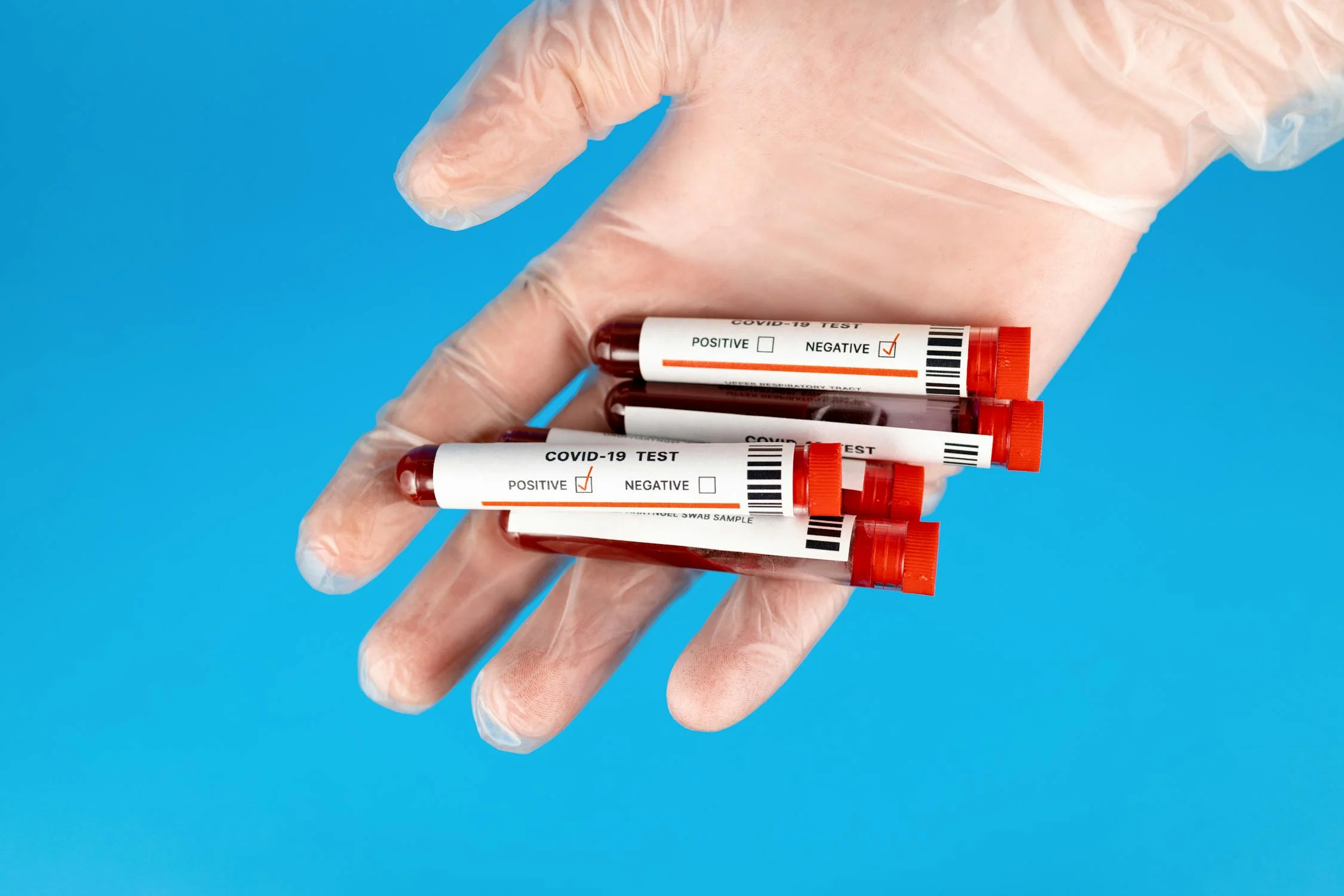
A blood test, such as an IgE antibody test, can be performed to detect the presence of allergic antibodies in the blood. These antibodies are produced by the immune system in response to allergens. By testing the blood for specific food allergens, it can be determined if a person is allergic to certain foods. This test can be especially useful for people with a history of severe allergic reactions.
5. Food provocation test
A food provocation test, also known as an oral food challenge, can be performed under medical supervision to determine the body’s reaction to a specific food. Small amounts of the suspected food are given to the person under close supervision while symptoms are observed. This test is performed only in specialized medical facilities because of the risk of severe allergic reactions.
Conclusion
Determining a food allergy is a complex process that involves multiple diagnostic tests and observations. By evaluating symptoms, following an elimination diet, performing skin prick tests and blood tests, and conducting food provocation tests when necessary, health care providers can identify the specific foods that cause an allergic reaction. This helps develop an effective treatment plan and avoid potentially dangerous situations for people with food allergies.